A Dictionary of Muslim Names
$ 3.22
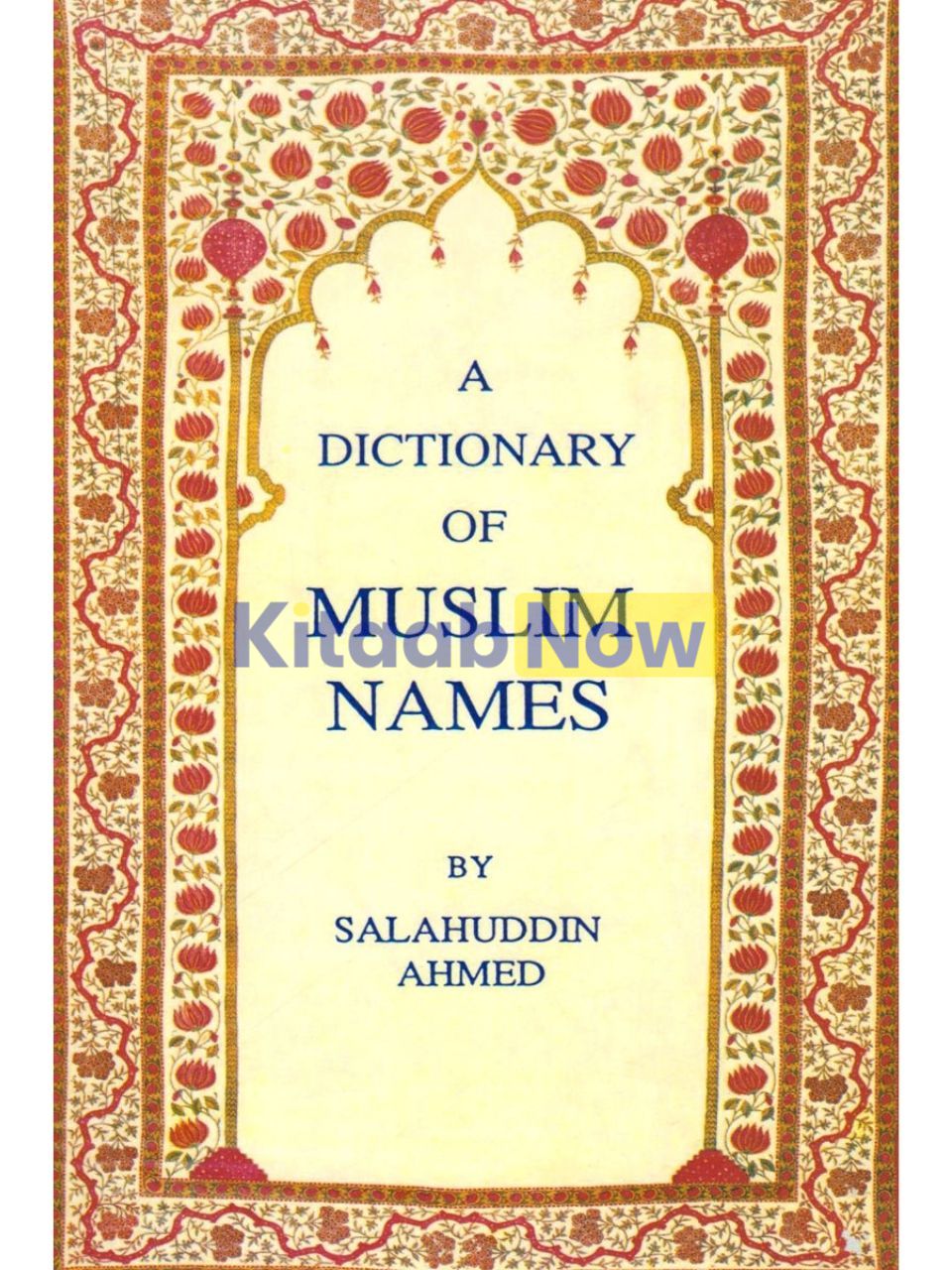
DescriptionDivided into male and female sections, this dictionary provides an alphabetical listing of Muslim names in both English and Arabic. Each name has a description of its origin and meaning as well as indication of whether the name is derived from Arabic or Persian.The resurgence and revitalisation of Muslim culture have created a growing interest in the study of Muslim names. Throughout the world Muslims share similar names, be they in the Middle East, the Indian subcontinent, Southeast Asia or new migrants in the West. And it should not be forgotten that the first thing Allah taught Adam was names.The predominant language in Muslim names is Arabic, followed by Persian (Farsi), the two major languages which transmitted Muslim culture in its early stages and later expansion. An important source of Muslim names consists of the ninety-nine attributes of Allah mentioned in the Qur’an and the hadith. According to Islamic belief, the relationship between man and his Creator is that of servant and master, and therefore a Muslim feels gratified to be named as a servant of one of the attributes of Allah.The purpose of this dictionary is to give the meaning or bearing on the Islamic heritage of the words, Arabic or Persian, which form parts of Muslim names. By way of illustration, it gives references to Muslims who left their mark on history in different ages, in different fields, and in various parts of the world. Where appropriate, the Qur’an is cited.Author BiographySalahuddin Ahmed, born in East Pakistan (now Bangladesh), is a barrister of Lincoln’s Inn and the Australian Supreme Court. He has published two books in Bengali on Muslim names and contributed the ‘Muslim Names’ section to the Oxford Dictionary of American Family Names.